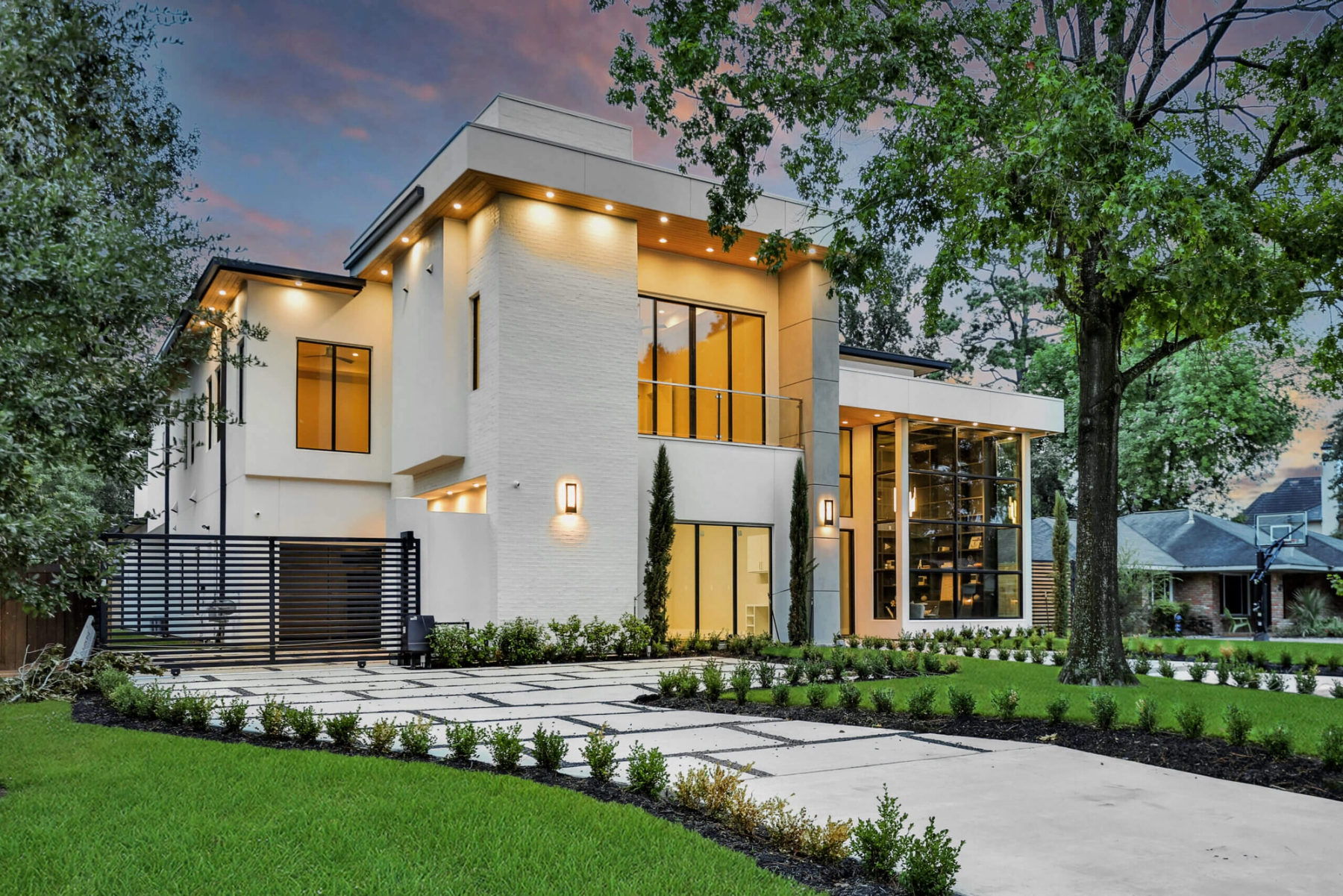
A factor of 24 separates the top and bottom of the American market, and not one dollar of it is construction quality.
Asking prices tell you almost nothing across markets. A 5,000,000 USD house in Houston and a 5,000,000 USD house in San Clemente are not comparable objects, and the number that makes them comparable is the rate per square foot. It is the single most useful figure in property and the one most listings bury.
The spread across American markets
- Bal Harbour oceanfront, above 7,300 USD a foot
- Landmarked Tribeca, roughly 3,675
- Oceanfront Orange County, roughly 3,345
- Lake Austin frontage, roughly 1,620
- Historic inner Houston, roughly 610
- Wooded acreage north of Houston, roughly 304
A factor of 24 between the top and the bottom of that list, and not one dollar of the difference is construction quality. The house in Tomball may well be better built than the penthouse in Bal Harbour. What separates them is how much of the price is the ground underneath.
How to read the number properly
Only compare within a submarket. Rates across cities describe land scarcity, not value, and using them to argue a property is cheap is the most common mistake buyers make. Within 1 neighbourhood the rate is genuinely diagnostic: a house materially below the local band is usually dated, badly positioned, or has something wrong with the title.
Check what is being counted. Finished space, garages, basements and covered terraces are treated inconsistently between markets and sometimes between agents in the same market. A 10% difference in the denominator moves the rate by 10%, which is more than most negotiations.
And treat land-heavy properties separately. On 3 acres of oceanfront or 5 acres of woodland the house is close to incidental, and the rate per foot describes almost nothing useful. Price per acre is the honest comparison there.